en
en  ru
ru  de
de  ar
ar  es
es  hi
hi  fr
fr  nl
nl  it
it  pt
pt  el
el 2024 has become a milestone year for the cryptocurrency market. The global economy continues to be plagued by inflationary attacks, political unrest, and economic crises, but one asset continues to move forward. Bitcoin has undergone an incredible amount of change since its inception in 2009, but its current growth seems unique. This dynamic is not random: rising prices serve as an indicator of global economic processes.
Today, Bitcoin continues its rapid expansion, breaking new highs. It attracts the attention of even the most conservative investors. The challenge is to understand what is behind this surge and why the currency is now becoming the “new gold,” so relevant in the context of economic instability. Bitcoin’s rising price in 2024 is a signal to the entire financial system that the future of finance lies in cryptocurrencies.

Why Bitcoin’s 2024 Boom Is No Coincidence: Key Influencing Factors
There is no such thing as “random growth” for a digital asset. Virtual money continues to gain momentum, and there are several explanations for this.
The first is financial instability. Problems with inflation, the decline of traditional currencies, and the forced introduction of digital currencies by central banks make Bitcoin an attractive asset for those looking to preserve and increase their savings. Since the beginning of the year, it has grown 25%, and at the end of November, it reached an all-time high of $99,645.39 per coin. This is a result of geopolitical changes and the enormous interest of major institutional players.
Bitcoin Exchange Rate Dynamics in 2024
The dynamics, as always, are linked to external economic factors. The development of new regulations, as well as the growing acceptance of Bitcoin nationwide, are driving a wave of buying. It is also worth noting that as the exchange rate has grown, the development of new technologies like the Lightning Network has become a limiting factor, helping to reduce transaction costs and increase the currency’s use as a means of payment.
But it’s not just the economy that plays a role. Bitcoin and geopolitics have shown a close relationship in recent months. The crises in major economies such as the United States and the European Union are becoming more intense, and investors are beginning to seek protection in assets not tied to a single currency or country.
The impact of Bitcoin on the global market and its role in the economy
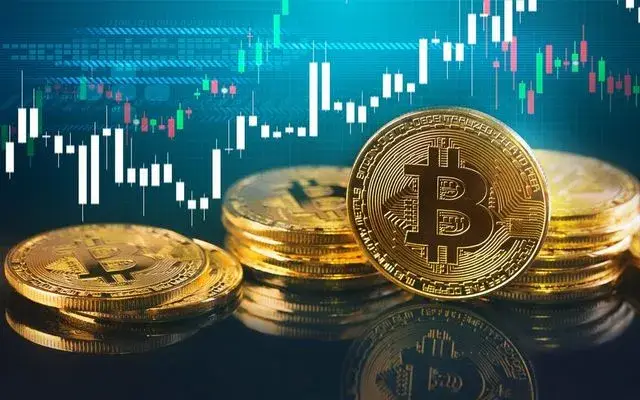 Every time a cryptoasset surpasses its peak, a new market participant emerges: an institutional investor. In 2024, the number of these investors will continue to grow, and this is no coincidence. Blockchain, as well as Bitcoin itself, are becoming a universal hedge against inflation. Large companies like Tesla, MicroStrategy, and even some pension funds are increasing their cryptocurrency positions. Demand for Bitcoin is growing, and this is reflected in its price.
Let’s try to imagine a world without electronic money: markets fluctuating due to geopolitical instability and institutional participants losing confidence in traditional assets. Bitcoin acts as a shield against uncertainty, providing greater flexibility and lower risk for investors.
The impact of decentralized currencies on traditional financial systems is being felt in every country, and Bitcoin is playing a role as one of the main drivers of this change. More and more countries and banks are beginning to consider digital tools as a critical component of the economic model of the future.
2024 Forecasts and Outlook: Where is the Bitcoin Price Headed?
The year 2024 has already seen incredible fluctuations in the currency’s exchange rate. But what lies ahead? Price forecasts vary, and each major analyst builds their own view based on existing factors.
Currently, the most realistic forecast for Bitcoin in 2024 suggests its growth to $120,000, with the possibility of this price being fixed in the third quarter. Some optimistic estimates point to figures as high as $150,000, driven by growing interest from institutional capital holders and further economic turmoil. The Bitcoin halving will play a role by reducing the number of new coins in circulation, making Bitcoin even more scarce.
However, such a trend cannot be considered guaranteed. If governments begin to increase regulation in the coming months, this could directly impact the price.
Bitcoin and Political Events: The US Elections and Their Impact
Current US policies will inevitably affect the cryptocurrency market. The elections, the fight for the White House, and economic battles between candidates will all play a role. With the new administration in office, new laws regulating crypto assets could be proposed. If Bitcoin receives official legislative recognition, this could provide currencies with even greater stability and investor confidence.
Who Benefits from Bitcoin’s Rise in 2024? Investment Strategies and Advice
Investing in digital assets requires thoughtfulness and a strategic approach. First and foremost, it’s important not to panic in the face of volatility. For those willing to take risks, there are several proven strategies:
- Short-term trading: Using exchanges to trade cryptocurrencies as their market fluctuates can be profitable, but it is risky. It’s important to follow market indicators and fundamental news.
- Long-term investing: It makes sense to store digital assets for several years in reliable wallets.
- Technological solutions: Use new tools to minimize transaction costs (such as the Lightning Network).
Investors must understand that the value of currencies will depend on factors that cannot be fully predicted.
Expected trends for 2025 and potential risks
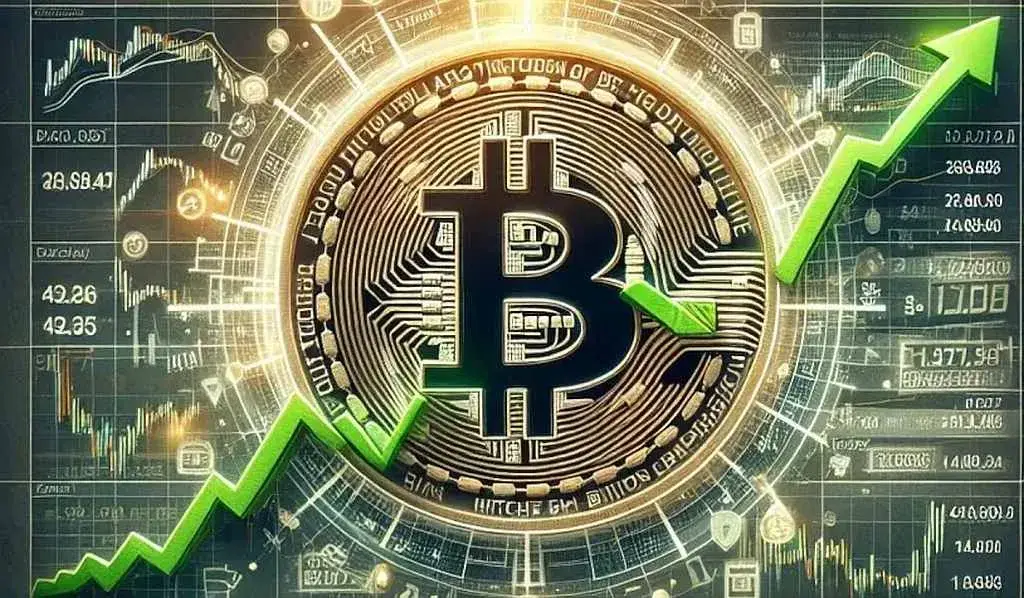 Bitcoin has shown unprecedented growth in 2024. What will happen next? Forecasts point to even greater growth, barring major economic or regulatory shocks. This trend will not slow down in the coming years. Of course, there are still serious risks: the possible introduction of strict regulations or even bans in some countries.

However, the key factor for investors remains that Bitcoin continues to develop as a unique instrument capable of preserving and increasing capital.